Dental Emergenc Care in Plano TX for Sudden Bleeding Gums
Bleeding gums can be easy to dismiss when it happens once after flossing too hard. It feels minor, even routine. But when the bleeding starts suddenly, lasts longer than expected, or appears without a clear cause, it can shift from nuisance to urgent dental concern very quickly.
In a busy practice, gum bleeding is one of those symptoms that demands judgment. Sometimes the cause is simple, such as irritated tissue around a trapped popcorn hull. Other times it points to something more serious, including active gum infection, trauma, an abscess, complications after dental work, or a medical issue that happens to show up first in the mouth. That range is exactly why sudden bleeding deserves careful attention, especially when it is heavy, recurrent, or paired with pain and swelling.
For patients looking for Dental Emergency Plano TX services, the challenge is not only stopping the bleeding. It is figuring out what is driving it, how urgent the situation is, and what can be done safely at home before you are seen. In Plano, where schedules fill up fast and urgent care decisions often happen on the fly, knowing the difference between an irritated gumline and a true dental emergency can save you time, stress, and in some cases a tooth.
When bleeding gums become an emergency
Most gum bleeding is not dramatic. It shows up as pink in the sink, a streak on floss, or a spot on a toothbrush. Emergency bleeding is different. It may continue after you rinse, return repeatedly over several hours, or soak gauze when you apply pressure. The amount does not have to be extreme to matter. Even a modest but persistent flow can signal that the tissue is inflamed, injured, or not clotting the way it should.
There are patterns that raise concern right away. Bleeding that starts after a blow to the face, after something sharp cuts the gum, or after a tooth breaks should be evaluated promptly. Bleeding with throbbing pain, foul taste, pus, or facial swelling often points to infection. Bleeding that follows a recent extraction, deep cleaning, or periodontal procedure may be expected to a degree, but not if it becomes heavier instead of tapering off.
One detail many patients miss is spontaneous bleeding. If your gums begin bleeding while you are eating soft food, speaking, or sitting at rest, that is a different category than tenderness from aggressive brushing. Tissue does not usually bleed for no reason. It may be friable from severe gingivitis or periodontitis, stretched by an abscess, or affected by medications such as blood thinners. Pregnancy, diabetes, immune disorders, and smoking can all change how gums respond and heal.
The practical question is not whether the sight of blood is alarming. It is whether the bleeding is active, recurring, and out of proportion to what happened. If the answer is yes, it is time to seek Dental Emergenc care rather than waiting several days to see if it settles down.
The common causes behind sudden gum bleeding
The most frequent explanation is gum inflammation. Plaque buildup along the gumline triggers gingivitis, and gingivitis makes tissue puffy, red, and easy to bleed. That part is straightforward. What catches people off guard is how quickly it can flare. A person who has gone a little too long between cleanings may notice no symptoms for months, then wake up one morning with a swollen, bleeding area after biting into toast.
Periodontal disease can produce more dramatic episodes. Once deeper pockets form around the teeth, bacteria and calculus sit below the gumline where home care cannot reach. The gum tissue becomes fragile. Bleeding can occur with chewing, brushing, or seemingly at random. If the supporting bone is already compromised, the tooth may also feel loose or sensitive when pressure is applied.
Another common cause is trauma. I have seen gum bleeding from tortilla chips, crusty bread, chicken bones, toothpicks, and well-intentioned but forceful flossing. Orthodontic wires can rub tissue raw. Broken fillings or cracked teeth can create sharp edges that slice the gum every time the jaw closes. In those cases, the source may be small but the bleeding can be surprisingly stubborn because the area is repeatedly irritated.
Dental infections deserve special mention. A gum abscess can form when bacteria collect in a pocket or when food gets impacted between teeth and stays there. Pressure builds, the tissue swells, and the area may eventually start draining blood mixed with pus. Patients often report a bad taste, tenderness when biting, and relief after fluid starts to escape. Relief, however, does not mean the problem is over. Infection in the gum and supporting bone still needs treatment.
There are also medication-related causes. Aspirin, warfarin, apixaban, rivaroxaban, clopidogrel, and some supplements can increase bleeding tendency. That does not mean every patient on these medications is having a true emergency, but it changes how aggressively the gums may bleed after minor irritation. If the mouth has difficulty forming a stable clot, what would have been a small issue can become urgent.
Then there are the less obvious systemic issues. Blood disorders, poorly controlled diabetes, severe vitamin deficiencies, and hormonal changes can all affect the gums. Dentists do not diagnose every medical condition in the chair, but sometimes the mouth provides the first clue that something outside the mouth deserves medical follow-up.
What to do at home before you head in
The first goal is simple, stop active bleeding as gently as possible. Panic tends to make people spit repeatedly, rinse vigorously, and keep checking the area every minute. That usually makes things worse by disturbing the clot before it can stabilize.
Use clean gauze or a damp tea bag if gauze is not available, place it directly over the bleeding spot, and hold firm pressure for 15 to 20 minutes without lifting it to inspect. Sit upright. Avoid hot drinks, alcohol, smoking, and strenuous activity during that period. If there is facial swelling or recent trauma, a cold compress on the outside of the cheek can help reduce inflammation.
Here is the short version of immediate home care:
- Apply steady pressure with clean gauze for 15 to 20 minutes.
- Stay upright and avoid spitting, swishing, or poking the area.
- Use a cold compress externally if swelling is present.
- If a food particle seems trapped, rinse gently with lukewarm salt water, not forcefully.
- Call an emergency dentist if bleeding continues, returns quickly, or is paired with swelling or severe pain.
One important caution, do not place aspirin directly on the gums. People still do this, usually because someone once told them it would numb the area. It can actually burn soft tissue and add to the problem. Use medications only as directed, and if you take prescribed blood thinners, do not stop them on your own without advice from the prescribing physician.
If the bleeding follows an injury and a tooth has shifted, loosened, or broken, do not try to force it back into place unless a dentist or physician specifically tells you to do so. Protect the area, control the bleeding, and get evaluated promptly.
What an emergency dentist in Plano is looking for
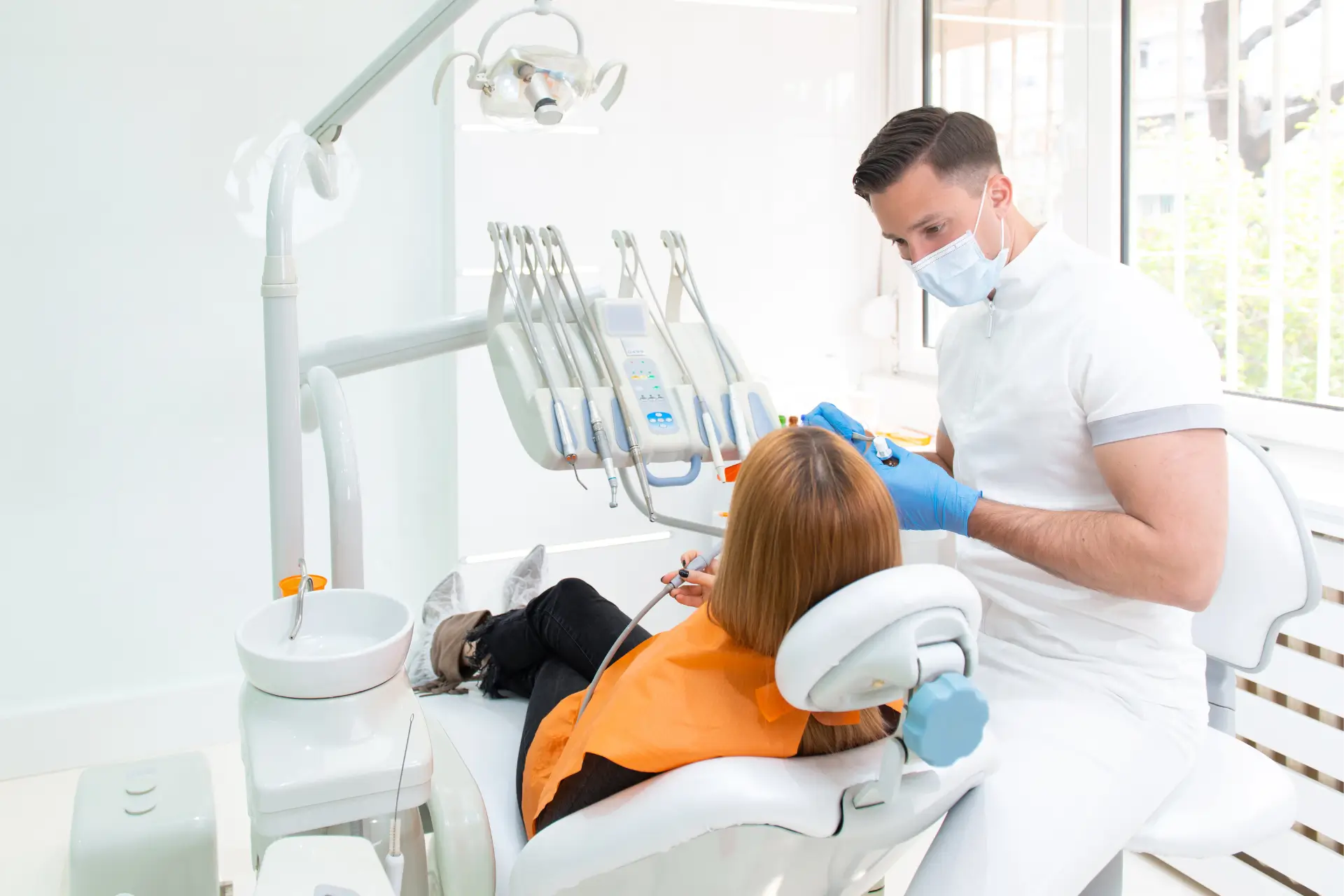
When someone arrives with sudden gum bleeding, the examination is focused but not rushed. The visible blood is only part of the picture. The dentist will want to know when it started, whether there was trauma, what medications you take, whether you have had recent dental treatment, and whether you are also having pain, bad taste, fever, or swelling.
A good exam often starts with one basic question, where exactly is the blood coming from? Patients understandably describe the whole side of the mouth as bleeding, but the true source is often a single papilla between teeth, a laceration near a crown margin, an erupting wisdom tooth flap, or a periodontal pocket around one molar. Pinpointing the source changes the treatment.
If there is a foreign object lodged in the gum, removal may solve the problem. If there is heavy calculus and severe inflammation, the tissue may need localized debridement and irrigation. If an abscess is present, the dentist may need to drain it, clean the pocket, adjust the bite, or start treatment that leads to root planing, root canal therapy, or extraction depending on the source. If the area was cut, local measures to control bleeding, including pressure, medicated dressings, or sutures, may be necessary.
For a patient who recently had a procedure, the appointment may focus on whether the site is healing normally or whether the clot has been disrupted. For a patient on anticoagulants, the strategy may center on local hemostatic control rather than changing systemic medication. For a patient with generalized spontaneous bleeding and no obvious local trigger, the dentist may recommend both dental treatment and medical evaluation.
That is what separates routine advice from true emergency care. The solution is not always glamorous. Often it is precise cleaning, pressure, irrigation, and careful instructions. But doing the right small thing early can prevent a much larger problem a few days later.
Why waiting can backfire
Many people delay because the bleeding seems to improve after they press on it for a while. Then it starts again later that night or the next morning. Intermittent improvement does not always mean resolution. Inflamed gums tend to reopen easily, especially if the underlying cause remains in place.
Infection is one reason delay becomes expensive. A localized gum infection can spread into surrounding tissues, deepen the periodontal pocket, and compromise bone support. If the source is actually a cracked tooth or untreated decay feeding the gum problem, more time usually means more damage. Patients who could have been treated with a targeted cleaning and antibiotics sometimes return later needing extraction and replacement options that cost far more and take months.
There is also the issue of blood loss and dehydration, even if modest. Most dental bleeding does not reach dangerous https://wakelet.com/@vitalitydental1 volume, but persistent oozing can be exhausting. People swallow blood, become nauseated, and avoid eating or drinking. Older adults and those with other medical conditions tolerate that poorly. The practical burden matters, even when the absolute danger is not dramatic.
Bleeding after flossing, brushing, or a cleaning
This is where nuance matters. Not every episode calls for same-day care. If you floss a neglected area and get light bleeding that stops quickly, the answer may be gentler but consistent hygiene, not an emergency slot. Likewise, mild spotting after a professional cleaning can be normal, especially if the gums were already inflamed.
What pushes it toward urgent care is severity, persistence, and the company the symptom keeps. If the bleeding is brisk, lasts longer than 20 to 30 minutes despite pressure, or comes with significant swelling, worsening pain, loose teeth, fever, or recent injury, it belongs on an emergency schedule. If it is light, short-lived, and linked to obvious irritation, an earlier routine dental visit may be enough.
This distinction matters because many patients do the opposite of what the tissue needs. They see a little blood and stop brushing the area entirely for a week. Plaque then accumulates, inflammation worsens, and the gums bleed even more the next time they touch them. A tender gumline often needs better cleaning, just with a softer technique and professional guidance.
Special situations that deserve extra caution
There are a few scenarios in which sudden gum bleeding should be taken especially seriously. Children can deteriorate faster because it is harder to judge how much blood they are swallowing, and mouth injuries in kids often look worse than they are while still needing a careful exam. Pregnant patients may experience exaggerated gum inflammation from hormonal changes, but persistent bleeding still deserves evaluation because oral infection during pregnancy is not something to ignore.
Patients with braces, bridges, implants, or partially erupted wisdom teeth have more places for food and bacteria to hide. Around wisdom teeth in particular, a flap of gum can trap debris and become acutely inflamed. The area can bleed, swell, and become painful enough to limit opening. That is not rare, and it often benefits from prompt cleaning and assessment.
The group that warrants the most caution is people on blood-thinning medication or those with a history of clotting problems. In those patients, a small local issue can produce an outsized response. It is very helpful to tell the dental office exactly what medication you take, the dose, and why you take it. That context changes treatment decisions.
How emergency dental offices in Plano typically handle scheduling
In a city like Plano, emergency dental teams tend to triage by symptom pattern. Ongoing bleeding, trauma, facial swelling, fever, and uncontrolled pain usually move a patient up the schedule. If you call, be specific. Saying “my gums are bleeding” is a start, but “I have held pressure twice for 20 minutes and the bleeding keeps restarting around my lower molar, and my cheek is swelling” tells the team this is not routine.
Photos can help when the office allows them, although they do not replace an exam. Because oral tissue looks red and shiny even in normal conditions, images are best used to show scale, swelling, obvious injury, or clot size rather than subtle color changes.
If the office advises you to come in right away, that usually reflects one of two concerns, they suspect the cause needs treatment now, or they want to make sure there is no bigger medical issue hiding behind a dental symptom.
What treatment may involve
Treatment depends entirely on cause. That sounds obvious, but patients often expect a single standard answer for gum bleeding, and there is none. One person needs a trapped seed removed from beneath the gumline. Another needs deep cleaning for localized periodontal infection. Another needs incision and drainage of an abscess. Another needs a rough crown edge smoothed, a fractured tooth evaluated, or an extraction site managed.
Some common interventions include the following:
- Local pressure and hemostatic materials to stop active bleeding.
- Irrigation and removal of debris, plaque, or calculus from the affected area.
- Drainage or treatment of infection when swelling or pus is present.
- Repair of traumatic causes such as a sharp edge, broken restoration, or laceration.
- Referral for medical evaluation if the bleeding pattern suggests a systemic issue.
Antibiotics are not automatically needed. That surprises some patients. If the source is mechanical irritation or inflammation without spreading infection, antibiotics may offer little benefit. Dentists generally reserve them for situations where there is evidence of bacterial infection beyond what local cleaning alone can manage.
Pain control also varies. Sometimes the best relief comes from reducing pressure in an inflamed pocket or abscess rather than prescribing stronger medication. If you have ever had the sensation of a swollen gum suddenly calm down after the source is drained and cleaned, you know how immediate that change can be.
Preventing a repeat episode
The path back to stable gums is usually not dramatic. It is consistent. Daily plaque removal, regular professional cleanings, and early attention to minor irritation do more than any emergency visit can do on its own. Patients with a history of periodontal disease often need maintenance more frequently than every six months. For some, three to four month intervals are more realistic.
Technique matters too. A soft brush, angled toward the gumline, works better than scrubbing harder. Floss should slide along the tooth surface and curve under the gum margin, not snap straight down into the papilla. If standard floss shreds around a certain tooth every time, that often signals a rough filling edge, tartar buildup, or a contact area that needs professional inspection.
For people prone to food impaction, small preventive changes can make a real difference. Cleaning promptly after fibrous meals, using interdental brushes where appropriate, and replacing worn dental work before it traps debris can prevent the kind of localized inflammation that suddenly erupts into bleeding over a weekend.
Knowing when to stop watching and get help
Most people are good at recognizing severe tooth pain as urgent. They are less confident with gum symptoms, partly because bleeding gums are common and partly because the causes range so widely. The safer approach is to pay attention to the pattern rather than the fear factor. If the bleeding is brief and clearly tied to mild irritation, monitor it closely and arrange a dental visit soon. If it is spontaneous, persistent, recurrent, or paired with swelling, foul taste, fever, trauma, or significant pain, seek prompt care.
For anyone searching for Dental Emergency Plano TX options, the goal is not to overreact to every drop of blood. It is to respond appropriately when the symptom no longer fits the harmless end of the spectrum. Gums usually give warning before deeper problems become impossible to ignore. Sudden bleeding is one of those warnings. Treated early, it is often manageable. Dismissed for too long, it can point to infection, tooth instability, or a medical concern that deserves more than a wait-and-see approach.
Vitality Dental
Address: 1220 Coit Rd #106, Plano, TX 75075
Phone number: +19726454100
FAQ About Dental Emergency Plano TX
What can the ER do for a tooth?
An emergency room (ER) can manage pain and treat severe infections with medication, but it cannot fix or pull a tooth.
What is considered a dental emergency?
A dental emergency is any oral health problem that involves severe pain, uncontrollable bleeding, or an infection that threatens your health or requires immediate care to save a tooth.
Is there a 24-hour dental service in Plano, TX?
There is no physical dental clinic in Plano, Texas, that stays open with walk-in staff 24 hours a day, but several offices offer 24/7 phone support, late-night hours, or same-day emergency care.