Dental Crowns for Worn Teeth: Rebuilding Bite and Function

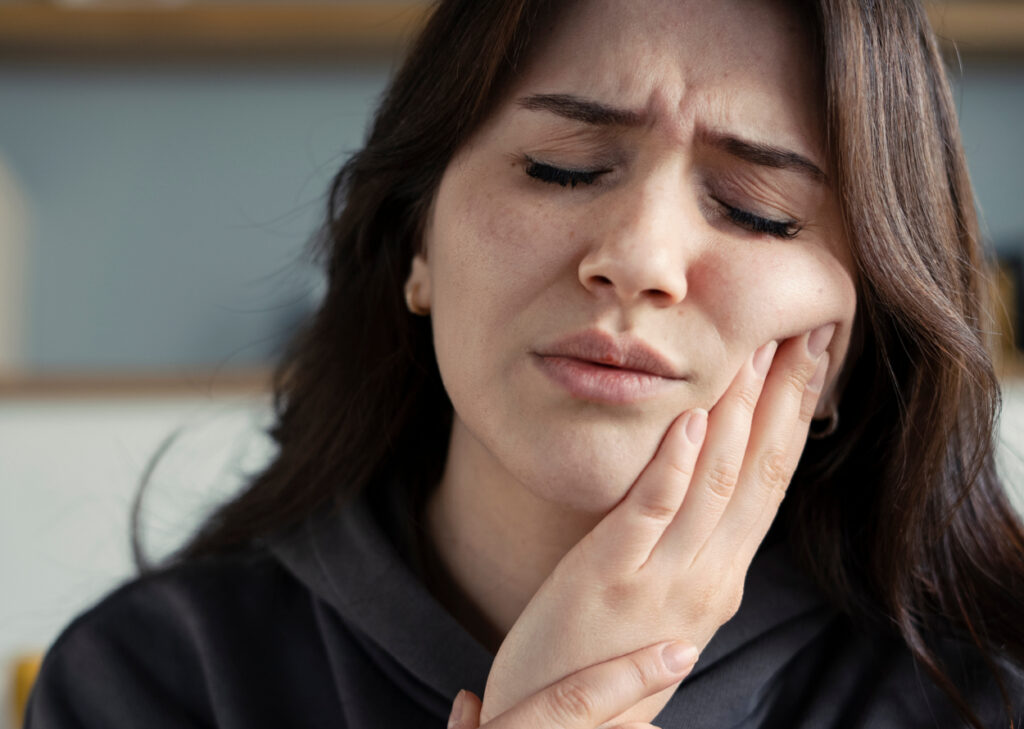

Teeth do not usually wear down all at once. Most people notice it gradually, often in ways that seem unrelated at first. A front tooth looks shorter in photos. Coffee feels sharp on one side. The jaw feels tired by late afternoon. A person starts chewing more carefully, shifts to softer foods, or wonders why old fillings keep breaking. By the time worn teeth become obvious, the bite has often been under strain for years.
This is where dental crowns can play an important role. When a tooth has lost too much structure to function predictably, a crown can restore shape, support, and chewing efficiency. For the right patient, crowns do much more than improve appearance. They can help stabilize the bite, reduce the cycle of breakage, and give overworked teeth a more durable form.
That said, crowns are not a universal answer for every worn tooth. In practice, the decision depends on how much enamel remains, whether the wear is active, how the upper and lower teeth meet, and whether habits like clenching, grinding, or acid exposure are still driving the damage. Good treatment planning is less about placing a crown on a short tooth and more about understanding why that tooth became short in the first place.
What worn teeth really mean
Tooth wear is not one single problem. It usually develops through a mix of attrition, erosion, and abrasion. Attrition comes from tooth-to-tooth contact, often from grinding or a heavy bite. Erosion is chemical, commonly linked to acidic drinks, reflux, or frequent vomiting. Abrasion comes from external friction, such as aggressive brushing or abrasive habits. Many patients have more than one process happening at the same time.
In a healthy mouth, some wear with age is normal. The issue begins when the wear outpaces the tooth’s ability to tolerate it. Cusps flatten. Edges chip. Dentin becomes exposed, which can make teeth more sensitive and more vulnerable to further breakdown. Existing fillings may start to fail because the surrounding tooth is no longer strong enough to support them. Some people lose vertical dimension, meaning the height of the bite changes over time, though the body can compensate surprisingly well for years before symptoms show up.
One of the most overlooked aspects of severe wear is that the problem is often functional before it is cosmetic. A person may still like their smile well enough, but they cannot tear lettuce, chew steak comfortably, or keep posterior fillings intact. I have seen cases where patients came in asking for help with a https://lukashhhv916.nexorafield.com/posts/dental-crowns-for-chipped-teeth-when-are-they-needed single cracked molar, only to discover that the entire chewing system had been overloaded for a decade.
When Dental Crowns become part of the conversation
Not every worn tooth needs a crown. Some can be managed with bonding, onlays, night guards, fluoride strategies, or simply monitoring. Crowns enter the discussion when the remaining tooth form is no longer reliable enough to carry chewing forces safely.
A crown covers and reinforces the visible part of the tooth. For worn teeth, that coverage matters because the original anatomy is often gone. A molar with flattened chewing surfaces no longer guides food the way it should. A front tooth with a thinned incisal edge may chip repeatedly. A crown allows the dentist to rebuild contour, cusp height, and contact relationships with the opposing teeth.
This is especially valuable in cases where function has drifted. A well-designed crown can restore how the teeth meet during chewing and gliding movements. Done thoughtfully, it can reduce destructive interferences and help distribute force more evenly. That may sound subtle, but in real life it is the difference between a tooth that keeps breaking and a tooth that settles back into service.
Crowns are commonly recommended when wear has created one or more of these problems:
- the tooth has lost enough structure that a filling or bonding would likely fail
- cracks, fractures, or repeated restorations suggest the tooth is flexing under load
- sensitivity or exposed dentin persists despite conservative measures
- bite collapse or altered chewing function requires rebuilding tooth shape
- aesthetics matter, but only after function and cause have been assessed
The key phrase is “likely fail.” Dentistry is full of gray zones, and the best dentists think in terms of prognosis, not just possibility. Yes, a heavily worn tooth might be patched again with composite. The better question is whether that repair is a sound use of the patient’s time, money, and remaining tooth structure.
Crowns are restorative, not magic
There is a misconception that once a crown is placed, the tooth problem is over. In reality, crowns work best when they are part of a larger plan. If the tooth wear came from untreated grinding, reflux, dry mouth, or dietary acid, the new crown will face the same environment that damaged the original tooth.
That matters because crowns can fracture, the underlying tooth can decay, and the margins can fail if conditions are unfavorable. A person who clenches heavily at night may need a protective occlusal guard after treatment. Someone with acid erosion may need medical evaluation for reflux or changes in beverage habits. A patient who sips sports drinks all day might need to rethink that pattern if long-term success is the goal.
This is one of the most important conversations in restorative dentistry. Patients are often willing to invest in treatment once they understand the stakes, but the treatment has to match the biology and the habits. Rebuilding without controlling the cause is a short road to rework.
Choosing the right cases
The best crown cases are not always the most dramatic-looking ones. They are the ones where a crown solves a clear structural and functional problem without sacrificing tooth unnecessarily.
For a single worn molar with a history of large fillings and recurrent cracks, a full-coverage crown is often straightforward and sensible. For a person with generalized wear across many teeth, the planning becomes far more nuanced. If every tooth is shortened, simply crowning one or two teeth may not solve much. Those crowns may end up with compromised anatomy because there is not enough room to rebuild them properly.
In full-mouth wear cases, dentists sometimes need to test a new bite position before committing to definitive crowns. This may involve provisional restorations, bite splints, or additive bonding to evaluate comfort and function. The goal is not speed. It is predictability. Changing the shape of one tooth is easy. Changing how the whole mouth works is not.
This is also where judgment matters. Some patients assume crowns are the most durable answer and ask for them early. But if a tooth is only mildly worn and still has strong enamel, a more conservative option can be the better choice. Crowns require reduction of the existing tooth. That trade-off can be worth it, but it should never be treated casually.
Materials matter, but preparation matters more
Patients often ask which crown material is best. The honest answer is that the best material depends on the tooth, the bite forces, the available space, and the cosmetic demands. Material choice matters, but the design of the preparation, the quality of the fit, and the bite adjustment often matter more.
All-ceramic crowns are popular because they can look natural and perform very well. Modern ceramics are strong enough for many posterior applications when used appropriately. Porcelain-fused-to-metal crowns remain serviceable in some situations, particularly where long-span durability or masking is needed. Monolithic zirconia has become a common choice for heavy bite cases because it is strong and can be made thinner than some alternatives, though its use still requires careful finishing and occlusal management.
What makes a crown successful on a worn tooth is not just the lab material. It is whether the crown has enough thickness to resist fracture, whether the tooth underneath has adequate ferrule and retention, and whether the final bite places the crown in harmony with the rest of the mouth. A beautifully made crown in the wrong occlusion will fail faster than a more ordinary crown designed well.
Rebuilding a bite is not the same as filling a hole
When tooth wear becomes significant, the restorative challenge shifts. The dentist is no longer just repairing a damaged area. They are rebuilding anatomy that affects speech, chewing, jaw movement, and facial support.
Think about a molar. Its cusps and grooves are not decorative. They guide chewing, support vertical dimension, and influence how forces travel through the tooth. If those structures are flattened by years of wear, the muscle system often adapts in ways that are efficient but destructive. Patients may report they “chew fine,” but what they really mean is that they have learned to cope.
Crowns can restore that anatomy. They can re-establish cuspal inclines, proper contact points, and more stable centric contacts. For front teeth, crowns can restore length, edge position, phonetics, and lip support. When done well, the result often feels surprisingly natural after the adaptation period. Patients commonly say they did not realize how compromised their chewing had become until the teeth were rebuilt.
The adaptation period should not be minimized, though. Even small changes in bite can feel significant for a few days or weeks. A person who has functioned with flattened teeth for a long time may need time to accept new contours. This is one reason temporary crowns are useful in more involved cases. They let both patient and dentist test the design before finalizing it.
What the process usually looks like
Crown treatment for worn teeth starts with diagnosis, not drilling. A careful clinician will look for wear patterns, muscle tenderness, joint symptoms, fracture lines, old restorations, gum condition, and bite relationships. Photographs, X-rays, and models or digital scans often help. In more advanced wear cases, a diagnostic wax-up or digital mock-up may be used to visualize the end result.
Once the plan is clear, the tooth is prepared and a provisional crown is placed in most cases. For heavily worn teeth, the provisional stage can be more important than patients realize. It provides a preview of shape and function and helps reveal whether the planned contours feel right in daily life. If speech is altered, the bite feels off, or floss catches in contacts, those issues can be adjusted before the final crown is made.
When the final crown is delivered, the appointment is about more than cementation. Contacts, margins, polish, and bite are all checked carefully. On worn teeth, bite adjustment is particularly important because even a high spot can trigger soreness, sensitivity, or renewed overload. A crown that looks perfect on a screen still needs to work in a living mouth with muscles, saliva, and habits.
When crowns are not the first choice
It is worth saying plainly that crowns are sometimes overprescribed. A tooth that is worn does not automatically need full coverage. In younger patients, especially, preserving enamel can be extremely valuable. Direct bonding can restore shape with minimal reduction. Ceramic veneers may be suitable for selected front teeth. Onlays can cover damaged cusps while preserving more natural tooth than a full crown.
The trade-off is durability and scope. Bonding is conservative and can look excellent, but it may stain, chip, or wear faster in a heavy bruxer. Veneers help with facial surfaces and edge length but do not solve every structural issue. Onlays can be elegant restorations, though they demand good case selection and precise execution.
This is one of those areas where a second opinion can be helpful if a patient is being advised to crown many teeth at once. Sometimes that recommendation is exactly right. Sometimes a phased, more conservative approach is possible. The best plan usually balances preservation with predictability.
Risks, limitations, and the realities patients should know
Every restorative choice carries trade-offs. Crowns on worn teeth can be transformative, but they are not maintenance-free. The tooth can still develop decay at the margin. A crown can chip or debond. Root canal treatment may be needed later if a tooth has been deeply worn, heavily restored, or irritated by years of stress. Gum recession can expose margins that were once hidden. None of this means crowns are a poor choice. It means they are real dentistry, not cosmetic shell work.
Patients should also know that crowns do not always feel identical to natural teeth on day one. The contours are often fuller because they are restoring anatomy that has been lost. For someone used to flat, short teeth, properly shaped crowns can feel prominent at first. That sensation usually fades as the tongue and muscles adapt.
Cost is another reality. Crowns are a larger investment than fillings or bonding, and wear cases often involve more than one tooth. It helps to think in terms of service life and system stability, not just the fee for a single procedure. If a crown prevents repeated fractures, emergency visits, and piecemeal repairs, it may be the more economical option over time. Still, treatment has to fit the patient’s priorities and budget. A dentist who can discuss staged care honestly is often more helpful than one who pushes an all-or-nothing plan.
Protecting the result after treatment
The longevity of crowns on worn teeth depends heavily on what happens after placement. Good home care matters, of course, but so does force control. Many failed crowns do not fail because the material was weak. They fail because the mouth continued to generate destructive forces night after night.
A practical maintenance plan usually includes a few essentials:
- regular exams so small bite changes, margin issues, or cracks are caught early
- a night guard when grinding or clenching is part of the wear pattern
- fluoride and saliva support if dry mouth or root exposure raises decay risk
- diet changes when acidic drinks, citrus, or reflux have contributed to erosion
- prompt review of any new sensitivity, looseness, or chewing pain
That last point matters. Patients often wait too long when something feels slightly off. A small occlusal adjustment early can protect a restoration that might otherwise chip or overload. Crowns rarely fail out of nowhere. They usually give warning signs.
The bite is the story
One of the clearest patterns in worn-tooth treatment is that the visible damage is only half the case. The real story is in the bite. Which teeth hit first. Which side carries the load. Whether the front teeth guide movement or the back teeth scrape during excursions. Whether muscle tenderness suggests clenching. Whether the lower face has changed subtly over time.
This is why patients with very similar-looking wear can need very different treatment. One person may do well with two crowns and a night guard. Another may need a carefully staged full-mouth rehabilitation. Another may be best served with adhesive restorations and acid control. The teeth are only the starting point. Function determines the plan.
For patients, that can be reassuring. If a dentist spends time analyzing the bite, asking about headaches, morning jaw fatigue, reflux, stress, and past breakages, that is usually a good sign. It means they are trying to understand the mechanism, not just the symptom.
When crowns change more than chewing
There is a practical side to all of this that often matters most to patients. They want to eat comfortably, stop breaking teeth, and stop worrying that every crunchy meal is a gamble. But there is also a subtler effect when worn teeth are restored well. People often carry less tension in the jaw. They chew more evenly. They stop avoiding photos. Their mouth feels less fragile.
Front teeth that have become short and translucent can make someone look older or more tired than they feel. Restoring length and support, without overbuilding or making the smile look artificial, can shift the whole expression. Posterior crowns that restore stable contact can make chewing feel efficient again. Neither change is trivial. Function and appearance are linked more closely than people realize.
Dental Crowns are at their best when they respect that link. They are not merely caps placed over damaged teeth. In the right setting, they are part of a reconstruction of form, force, and daily comfort. For worn teeth, that can mean the difference between ongoing patchwork and a bite that works the way it should.
Oxnard Dentistry
Address: 1730 E Gonzales Rd, Oxnard, CA 93036
Phone number: +18056049999
FAQ About Dental Crowns Oxnard CA
How long do crowns last on teeth?
Dental crowns typically last 10 to 15 years, but can last 20 to 30 years with excellent oral hygiene. Lifespan depends heavily on the crown material, your daily brushing and flossing habits, and whether you clench or grind your teeth.
What is the downside of crowns on teeth?
The primary downside of dental crowns is that the preparation process is irreversible. To properly fit a crown, a dentist must permanently shave down a significant portion of your natural tooth enamel. This exposes the tooth to potential risks like nerve inflammation, increased sensitivity, and structural weakening.
Why do dentists push for crowns?
Dentists often recommend crowns to save a structurally compromised tooth. If a tooth is heavily cracked, worn down, or has a cavity too large for a filling, a filling will not provide enough structural support, causing the tooth to eventually split. Crowns act like protective helmets, preventing tooth loss.